The Atfam Millet Varieties: The Atfam Millet Product Range Explained

Millets have long been a staple in traditional agriculture, especially among tribal communities. Their resilience, nutritional value, and adaptability to diverse climates make them an essential crop. The Atfam initiative focuses on reviving millet cultivation in Kerala, supporting tribal farmers by providing sustainable farming methods and fair market access. This article explains the Atfam millet product range, highlighting the varieties cultivated, their uses, and the benefits they offer.
Overview of Atfam Millet Varieties
Atfam promotes several millet varieties that are well-suited to the agro-climatic conditions of Kerala. These varieties are selected for their yield potential, nutritional content, and adaptability to organic farming practices. The primary millet types under Atfam cultivation include:
Finger Millet (Ragi): Known for its high calcium content and drought resistance.
Foxtail Millet (Kangni): Valued for its quick growth cycle and rich iron content.
Little Millet (Kutki): Appreciated for its small grain size and ease of digestion.
Barnyard Millet (Sanwa): Recognized for its high fibre and protein content.
Kodo Millet (Varagu): Noted for its ability to grow in poor soils and its antioxidant properties.
Each variety is cultivated using traditional knowledge combined with modern sustainable practices. This approach ensures soil health, biodiversity, and consistent quality of produce.

Cultivation Practices and Benefits of Atfam Millet Varieties
The cultivation of Atfam millet varieties follows eco-friendly methods that prioritize soil conservation and water efficiency. Farmers use organic fertilizers and natural pest control techniques to maintain the health of the crops. Crop rotation and intercropping with legumes are common practices to enhance soil fertility.
The benefits of these millet varieties include:
Nutritional Advantages: Millets are rich in essential nutrients such as proteins, dietary fibre, vitamins, and minerals.
Climate Resilience: These crops require less water and can withstand erratic rainfall patterns.
Economic Empowerment: By cultivating millets, tribal farmers gain access to niche markets that value organic and traditional grains.
Sustainability: Millets contribute to reducing the carbon footprint of agriculture due to their low input requirements.
Farmers receive training and support from Atfam to optimize yields and maintain quality standards. This ensures that the produce meets market demands and consumer expectations.
What are the byproducts of millet?
Millet cultivation generates several byproducts that have practical uses in agriculture and industry. These byproducts contribute to the sustainability and economic viability of millet farming.
Millet Straw: The stalks left after harvesting are used as fodder for livestock or as organic mulch to protect soil moisture.
Millet Bran: Obtained during the milling process, bran is rich in fibre and can be used as animal feed or incorporated into health foods.
Millet Husk: The outer covering of the grain, often used as a biofuel or in composting to improve soil organic matter.
Millet Flour Residue: Leftover material from flour production can be used in bakery products or as a nutritional supplement in animal diets.
These byproducts reduce waste and provide additional income streams for farmers. They also support circular agricultural practices by recycling nutrients and organic matter back into the soil.
The Atfam Millet Product Range
The Atfam millet product range includes a variety of processed and semi-processed items designed to meet consumer needs while supporting tribal farmers. The product range is developed with a focus on quality, nutrition, and sustainability.
Key products include:
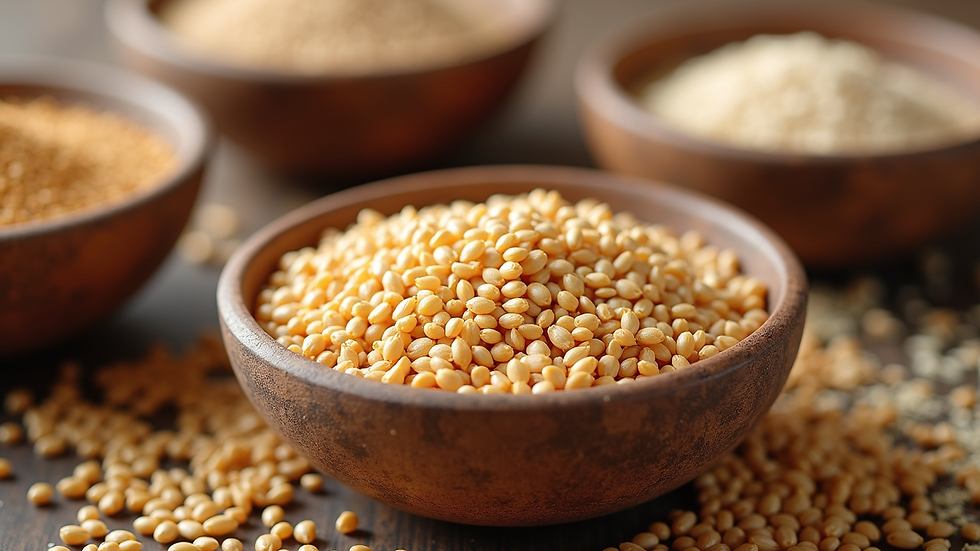
Whole Millets: Cleaned and packaged grains ready for cooking.
Millet Flours: Finely milled flours suitable for baking, porridge, and traditional recipes.
Millet Snacks: Ready-to-eat items such as puffed millet and millet-based chips.
Millet Breakfast Cereals: Nutrient-rich cereals made from a blend of millet varieties.
Millet Mixes: Pre-mixed millet blends for easy preparation of traditional dishes.
These products are marketed under strict quality control to ensure purity and nutritional integrity. Packaging is designed to preserve freshness and provide clear information on usage and benefits.
The availability of these products in local and regional markets helps create a stable demand, encouraging more farmers to adopt millet cultivation. The Atfam millet products link provides detailed information on the full product range and purchasing options.
Market Access and Future Prospects for Atfam Millet Varieties
Expanding market access is a critical component of Atfam’s mission. By connecting tribal farmers with fair trade networks and consumer markets, Atfam ensures that the benefits of millet cultivation reach the community.
Strategies include:
Direct Farmer-to-Consumer Sales: Farmers participate in local fairs and organic markets.
Partnerships with Retailers: Collaboration with health food stores and supermarkets.
Online Platforms: Digital marketing and e-commerce to reach wider audiences.
Certification and Branding: Organic and fair trade certifications enhance product credibility.
Looking ahead, Atfam aims to increase the acreage under millet cultivation and diversify the product range further. Research into value-added products and millet-based innovations is ongoing. These efforts will strengthen the economic resilience of tribal farmers and promote ecological balance.
Supporting Sustainable Tribal Agriculture through Millets
The Atfam millet varieties and product range exemplify a model of sustainable agriculture that benefits both people and the environment. By restoring millet cultivation, Atfam supports biodiversity, improves nutrition, and empowers tribal communities economically.
Farmers adopting these varieties experience improved livelihoods through better yields and market opportunities. Consumers gain access to nutritious, eco-friendly food options. Agricultural institutions can study and replicate this model to promote millet cultivation in other regions.
The continued success of Atfam depends on collaboration among farmers, consumers, and policymakers. Together, they can ensure that millets remain a vital part of Kerala’s agricultural landscape and contribute to a sustainable future.


Comments