

How Ragi Flour Enhances Your Nutritious Dosa Experience

Dosa is a staple in many Indian households, cherished for its crisp texture and versatility. Incorporating ragi flour into dosa preparation elevates this traditional dish by adding nutritional value and unique flavor. Ragi, also known as finger millet, is a millet variety that has been cultivated for centuries, especially in regions like Kerala. Its integration into dosa batter supports sustainable agriculture and benefits tribal farming communities by promoting millet cultivation.
Nutritious Dosa with Ragi: A Practical Approach
Ragi flour enhances dosa by improving its nutritional profile without compromising taste or texture. It is rich in calcium, iron, dietary fiber, and essential amino acids. These nutrients contribute to bone health, improved digestion, and sustained energy release. Using ragi flour in dosa batter is straightforward. Typically, ragi flour is mixed with rice flour and urad dal (black gram) to maintain the dosa’s characteristic crispness and softness.
To prepare a nutritious dosa with ragi, soak rice and urad dal separately for 4-6 hours. Grind them into a smooth batter, then add ragi flour in a ratio of 1:1 or 1:2 (rice to ragi) depending on preference. Ferment the batter overnight to develop flavor and improve digestibility. Cook dosas on a hot griddle with minimal oil for a healthy meal option.
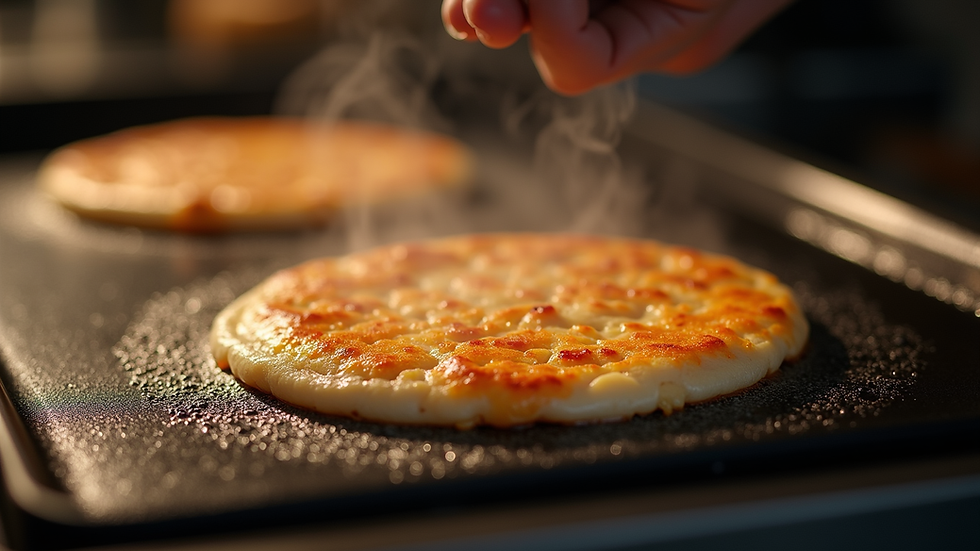
Incorporating ragi flour supports the revival of millet farming, which is vital for tribal farmers. Millets require less water and are resilient to harsh climatic conditions, making them sustainable crops. By choosing ragi-based dosas, consumers contribute to ecological stability and fair market access for tribal produce.
Can Ragi Help Lower Cholesterol?
Scientific studies indicate that ragi has properties that may help reduce cholesterol levels. The high dietary fiber content in ragi binds to cholesterol in the digestive tract, preventing its absorption into the bloodstream. This mechanism helps lower LDL (bad cholesterol) while maintaining or improving HDL (good cholesterol) levels.
Additionally, ragi contains antioxidants and polyphenols that support cardiovascular health by reducing oxidative stress and inflammation. Regular consumption of ragi-based foods like dosa can be part of a heart-healthy diet, especially for individuals at risk of cardiovascular diseases.
For those managing cholesterol, replacing refined grains with ragi flour in daily meals offers a practical dietary adjustment. It is advisable to consult healthcare professionals for personalized advice, but the inclusion of ragi flour in dosa preparation is a beneficial step toward improved lipid profiles.
Culinary Benefits of Using Ragi Flour in Dosa
Ragi flour imparts a distinct earthy flavor and a slightly nutty aroma to dosa, enhancing the sensory experience. The texture of ragi dosa is softer compared to traditional rice dosa, which some consumers prefer for ease of digestion. The batter ferments well, producing a mildly tangy taste that complements various chutneys and sambar.
From a culinary perspective, ragi flour is versatile. It can be blended with other flours such as rice, wheat, or millet to create dosa variations. This flexibility allows for experimentation with textures and flavors while maintaining nutritional benefits.
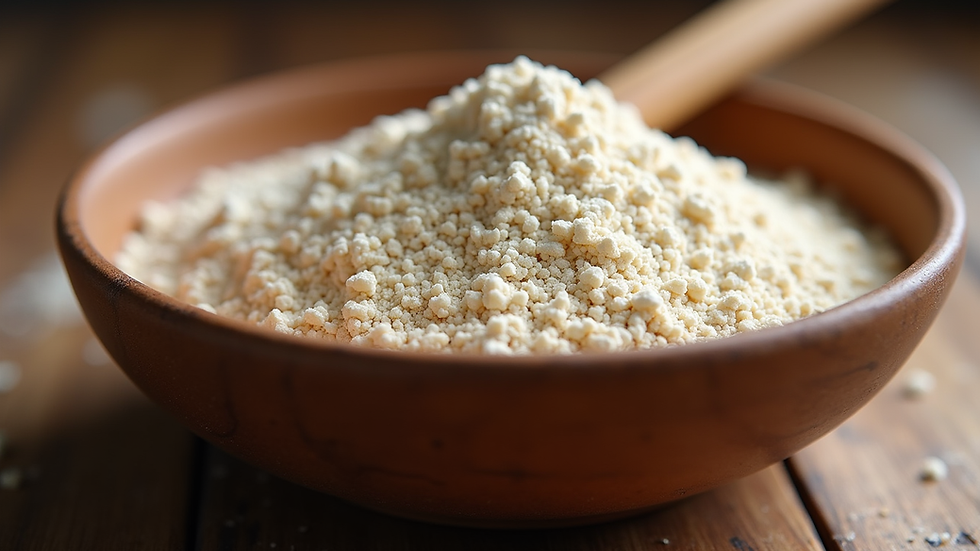
When selecting the best ragi flour for dosa, it is important to choose finely milled, fresh flour to ensure smooth batter consistency and optimal fermentation. Proper storage in airtight containers prevents moisture absorption and preserves the flour’s quality.
Supporting Tribal Farmers Through Millet Cultivation
The resurgence of ragi cultivation is closely linked to the empowerment of tribal farmers. Millets like ragi are indigenous to many regions and have been part of traditional farming systems. However, modern agricultural practices and market preferences have marginalized millet crops.
Promoting ragi flour in popular foods such as dosa creates demand that incentivizes farmers to cultivate these resilient crops. This demand supports fair pricing and market access, which are critical for the economic upliftment of tribal communities.
Organizations working with tribal farmers focus on sustainable agricultural practices, seed preservation, and knowledge sharing. These efforts ensure that millet cultivation remains viable and environmentally friendly. Consumers who choose ragi-based products contribute directly to these initiatives.
Practical Tips for Incorporating Ragi Flour in Daily Diet
Incorporating ragi flour into daily meals can be simple and effective. Beyond dosa, ragi flour can be used in:
Idli batter: Mix ragi flour with urad dal and rice for nutritious idlis.
Porridge: Cook ragi flour with water or milk for a wholesome breakfast.
Baking: Substitute part of wheat flour with ragi flour in bread, muffins, or cookies.
Snacks: Prepare ragi-based snacks like murukku or laddoos for healthy alternatives.
For dosa preparation, start with small proportions of ragi flour and gradually increase as taste preferences adjust. Experiment with fermentation times and batter consistency to achieve the desired texture.
Using the best ragi flour for dosa ensures quality and supports the broader goal of sustainable millet farming. Proper sourcing and storage maintain the flour’s nutritional integrity.
Embracing Ragi Flour for a Sustainable Future
The integration of ragi flour into dosa preparation is more than a culinary choice. It represents a commitment to health, sustainability, and social equity. By adopting ragi-based dosas, consumers support tribal farmers, promote ecological balance, and enjoy a nutritious meal.
The journey toward restoring millet cultivation requires collective effort from agricultural institutions, consumers, and farming communities. Ragi flour serves as a bridge connecting traditional knowledge with modern dietary needs.
Choosing ragi flour in dosa preparation aligns with the vision of uplifting tribal farming communities and fostering sustainable agricultural practices. It is a practical step toward a healthier diet and a more resilient food system.


Comments